







Ideal Boiler Fault Codes – What They Mean & What To Do
Ideal boilers are designed to protect themselves when something isn’t right. When a fault is detected, the boiler displays an error code or enters lockout, stopping operation to prevent damage or unsafe conditions.
This guide explains the most common Ideal boiler fault codes, what usually causes them in real homes, and when a reset may help — versus when an engineer is needed.
This is not a generic list. It’s based on actual faults engineers see on Ideal boilers, combined with manufacturer logic and safe customer guidance.
How Ideal boiler fault codes work
Ideal fault codes are triggered when sensors detect abnormal conditions such as:
-
Low system pressure
-
Ignition failure
-
Overheating
-
Fan or flue issues
-
Electrical or PCB communication faults
Some codes are temporary and clear after a reset. Others indicate repeated or dangerous faults that should not be ignored.
Common Ideal boiler fault codes explained
L2 / LF – Ignition failure or flame loss
What it means:
The boiler attempted to light but could not detect a stable flame.
Common causes:
-
Low gas pressure or gas interruption
-
Blocked condensate pipe (very common in cold weather)
-
Ignition electrode or flame sensor issues
What you can do:
-
Check other gas appliances are working
-
Try one reset only
If the fault returns, the boiler is protecting itself — repeated resets won’t fix the cause.
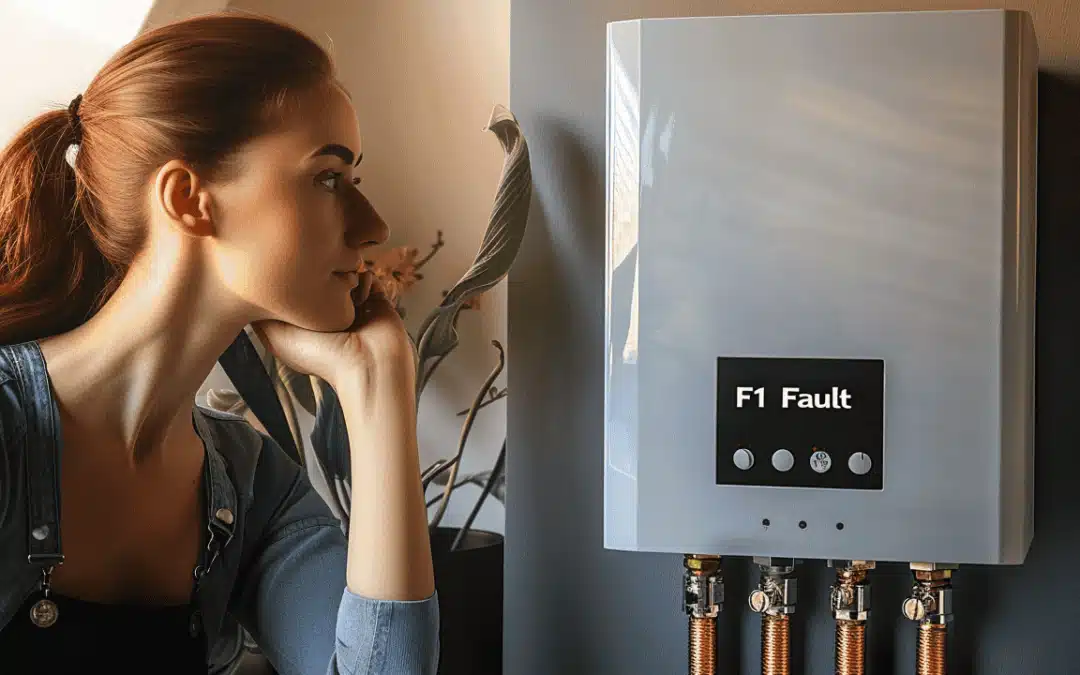
F1 – Low water pressure
What it means:
The system pressure has dropped below the safe operating level.
Common causes:
-
Small system leaks (radiators, valves, pipework)
-
Recently bled radiators
-
Expansion vessel pressure issues
What you can do:
-
Check the pressure gauge
-
Repressurise if safe and you know how
If pressure keeps dropping, there is usually an underlying leak or component issue.
F2 – Fan fault
What it means:
The boiler fan is not operating correctly or airflow is not being confirmed.
Common causes:
-
Fan motor failure
-
Air pressure switch issues
-
Flue obstruction or restriction
This is a safety-critical fault. The boiler will not run until airflow is proven.
F3 / F4 – Thermistor or temperature sensor fault
What it means:
The boiler is receiving incorrect temperature readings.
Common causes:
-
Failed or shorted thermistor
-
Wiring or connection issues
-
Occasional overheating or circulation issues
These faults often cause erratic heating or hot water before lockout occurs.
F6 / F7 – PCB or control fault
What it means:
The boiler’s main control board is not processing signals correctly.
Common causes:
-
Electrical surges
-
Moisture damage
-
Natural wear over time
PCB faults usually require professional diagnosis — resets rarely resolve them long-term.
H1 – Flow temperature overheat
What it means:
The boiler has overheated and shut down to prevent damage.
Common causes:
-
Poor circulation
-
Sludge or blockage in the system
-
Pump or valve issues
This fault is common on systems with restricted flow rather than a boiler defect itself.
Can you safely reset an Ideal boiler?
In many cases, one reset is acceptable if:
-
Gas supply was briefly interrupted
-
Pressure was recently topped up
-
The fault occurred during cold weather
If a fault code keeps returning, the boiler is telling you something hasn’t been resolved. Repeated resets can actually cause more damage.
When to stop resetting and call an engineer
You should arrange a professional check if:
-
The same fault code returns after a reset
-
Multiple different fault codes appear
-
The boiler locks out repeatedly
-
There are signs of leaks, overheating, or unusual noises
Fault codes are symptoms, not always the root cause.
Why Ideal boilers commonly lock out
From real-world experience, repeated Ideal lockouts are most often linked to:
-
Pressure loss elsewhere in the system
-
Blocked condensate pipework
-
Poor circulation due to sludge
-
Sensor or component faults rather than major boiler failures
Correct diagnosis matters more than replacing parts.
Further information
Want to understand how fault codes work across different boiler manufacturers?
Read our complete guide:
→ Boiler Fault Codes & Error Messages – What They Mean & When to Worry