







How to Top Up System Boiler Pressure
Low boiler pressure can stop your heating and hot water — often without warning.
This guide explains how to safely top up pressure on a system boiler using the filling point on your heating system.
This guide helps you:
-
Check what pressure your boiler should be at
-
Understand whether it’s safe to top up
-
Know when to stop
-
Know when not to touch anything and call an engineer
If at any point you’re unsure — stop. Forcing parts or overfilling can cause damage.

What Pressure Should a System Boiler Be?
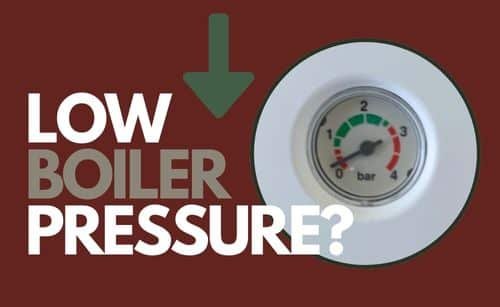
Normal Boiler Pressure (Cold)
-
1.0 – 1.5 bar when the boiler is off and cold
When Heating Is On
-
Pressure may rise slightly — this is normal
-
Anything consistently above 2.5 bar is not normal
If your pressure is:
-
Below 1 bar → the boiler may lock out
-
At 0 bar → do not keep topping up repeatedly (likely a fault)
Before You Start (Important)
Before topping up boiler pressure:
-
Turn the boiler off
-
Allow it to cool for 20–30 minutes
-
Locate the pressure gauge (front panel or underside)
⚠️ Never top up a hot boiler
Locate Your Filling Point
System boilers use a filling point to restore system pressure.
Before continuing, locate the pressure gauge and filling point.
Your filling point may be:
- Beside the hot water cylinder in the airing cupboard
- Near the red expansion vessel or pressure gauge
- On nearby heating pipework close to the boiler (less common)
If you’re unsure where your filling point is, do not guess.
Not sure what you’re looking at? View our Filling Loop Types guide →

Blue Flame Safety Tip
⚠️ Do NOT touch the yellow lever or tap under your boiler.
-
Yellow taps are always GAS
-
Turning this will shut off the gas supply
-
This can cause:
-
The boiler to stop working
-
Ignition faults
-
Error codes that require an engineer to reset
-
👉 Boiler pressure is never topped up using a yellow tap.
If you’re unsure which tap you’re looking at — stop and check before touching anything.
🔵 Blue Flame Tip — Go Slow When Filling
When topping up boiler pressure using the filling loop or filling link:
-
You will hear water running first — this is normal
-
Slow down or pause at this point
-
The pressure gauge can rise very quickly
-
Always fill the system slowly and in a controlled manner
👉 Small movements on the tap can cause big jumps in pressure.
Taking it slowly helps prevent:
-
Overfilling
-
Triggering the pressure relief valve
- Creating a new fault
🔵 Extra – Blue Flame Tip — Never Force Valves or Levers
Filling valves, taps, and levers can sometimes feel stiff.
-
Do not force them
-
Forcing a valve can:
-
Damage the filling mechanism
-
Cause a sudden water leak
-
Create a fault that wasn’t there before
-
👉 If something doesn’t move easily by hand, stop and get it checked properly.


After Topping Up
-
Turn the boiler back on
-
Let the system run
-
Recheck the pressure once heating is on
Pressure should settle between 1.0 – 1.5 bar.
If the pressure drops again within days, this usually indicates a fault.
If the pressure is correct but your boiler still isn’t working, a reset may be required depending on the boiler manufacturer.
Important Safety Warning
⚠️ Do NOT overfill the system
-
Do not exceed 1.5 bar when cold
-
Overfilling can:
-
Trigger the pressure relief valve
-
Cause water discharge outside
-
Lead to repeated pressure loss
-
Repeated topping up is not a fix.
When NOT to Top Up Yourself
Stop and contact an engineer if:
-
Pressure keeps dropping regularly
-
You see water dripping from the boiler or pipework
-
Pressure rises above 2.5–3 bar
-
You can’t identify your filling system
-
The boiler loses pressure overnight
Common Causes of Pressure Loss
-
Small system leaks
-
Recently bled radiators
-
Expansion vessel faults
-
Pressure relief valve passing
These issues require repair, not topping up.
Need Help?
If you’re unsure or your boiler keeps losing pressure, it’s best to have it checked properly.
A quick inspection can prevent:
-
Boiler shutdowns
-
Ongoing pressure loss
-
Costly internal damage
Not sure it’s safe to continue?
We can check the system boiler, identify the cause, and put it right properly.