








How to Top Up a Worcester Boiler
Low pressure on a Worcester boiler can stop your heating and hot water from working.
In most cases, topping up the pressure is straightforward and can be done at home — as long as it’s done correctly.
This guide shows you how to top up a Worcester boiler, explains the different filling loop types, and helps you identify which setup you have before you start.
If you’re unsure which filling system your boiler uses, see our guide → Boiler Filling Loop Types.
If you’re unsure at any point, stop and contact a Gas Safe engineer.
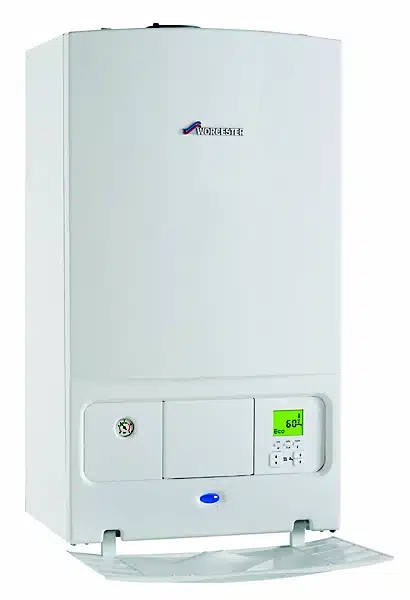
What Model Do I Have?
Worcester boilers typically use one of the following filling systems:
• External filling loop
• Internal keyless filling loop
• Internal keyed filling loopBefore topping up your boiler, it’s important to identify which filling loop you have, as the steps differ slightly for each type.
If your boiler uses a keyed filling loop, follow our → Worcester Boiler Keyed Filling Loop Guide.
Worcester Boiler – Internal Keyless Filling Loop
(This is the newest version)
Many modern Worcester boilers use an internal keyless filling loop, operated by a blue lever located underneath the boiler.
Step 1 – Access the Blue Filling Lever
Your boiler may have a decorative panel underneath, meaning you cannot immediately see the blue filling lever.
This panel is purely for appearance.
It is safe to remove and no harm will be done by taking it off.
The panel can be left off permanently if preferred.
Step 2 – Gently Pull the Blue Lever Down
Gently pull the blue lever down.
You should hear water running as the system begins to fill.
Go slowly — do not force the lever.
If needed, release the lever slightly and re-apply gentle pressure until you feel comfortable and confident with the movement.
Step 3 – Continue Filling While Watching the Pressure Gauge
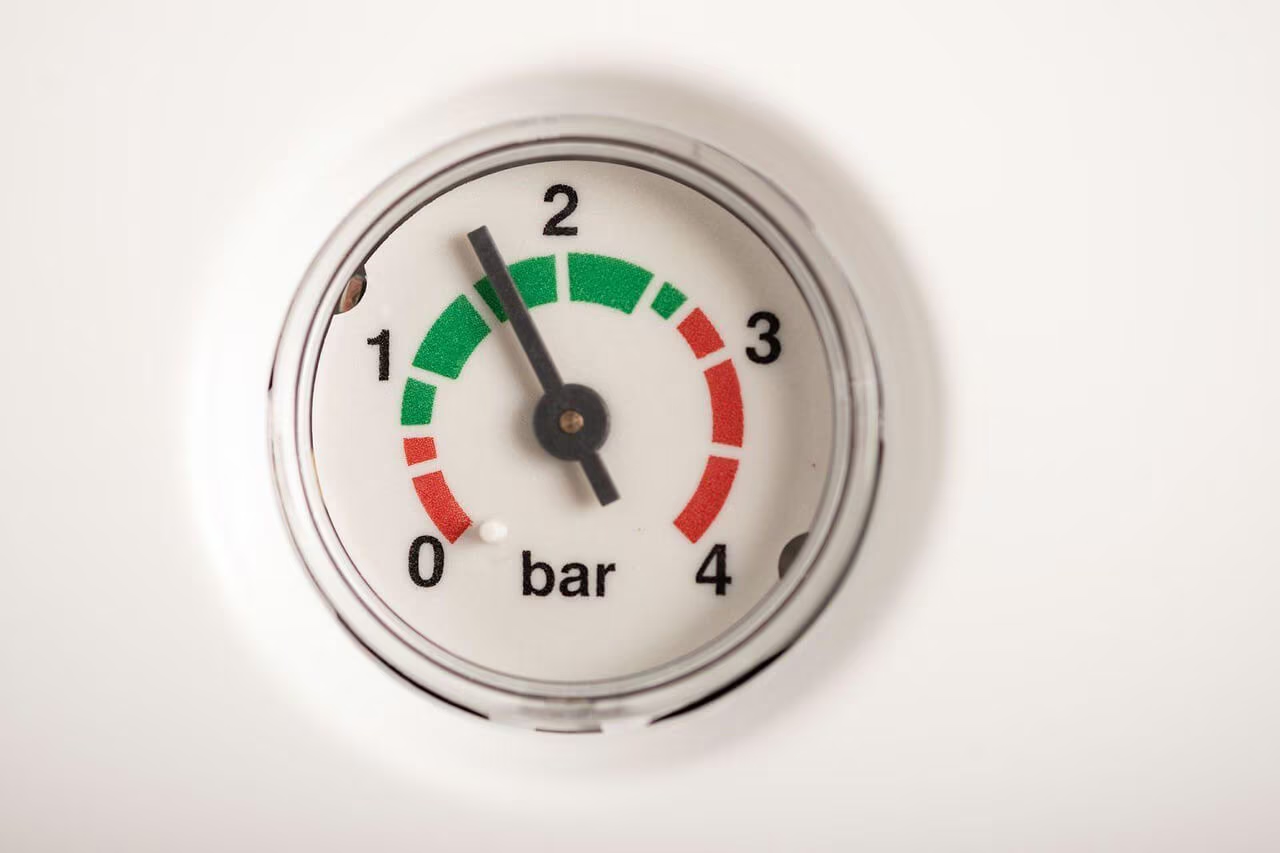
Once you’re confident with Step 2, continue filling while keeping your eyes on the pressure gauge.
The pressure will begin to rise steadily as water enters the system.
Step 4 – Stop Just Over 1 Bar
Watch the gauge closely.
When the pressure reaches just over 1 bar, release the blue lever to stop the filling process.
That’s it — job done ✔️
Pressure Note
-
Do not allow the pressure to exceed 1.5 bar
-
Overfilling can damage the boiler and heating system

Worcester Boiler – Internal Keyless Filling Loop
(This is the newest version)
Many modern Worcester boilers use an internal keyless filling loop, operated by a blue lever located underneath the boiler.
Step 1 – Access the Blue Filling Lever
Your boiler may have a decorative panel underneath, meaning you cannot immediately see the blue filling lever.
This panel is purely for appearance.
It is safe to remove and no harm will be done by taking it off.
The panel can be left off permanently if preferred.
Step 2 – Gently Pull the Blue Lever Down
Gently pull the blue lever down.
You should hear water running as the system begins to fill.
Go slowly — do not force the lever.
If needed, release the lever slightly and re-apply gentle pressure until you feel comfortable and confident with the movement.
Step 3 – Continue Filling While Watching the Pressure Gauge
Once you’re confident with Step 2, continue filling while keeping your eyes on the pressure gauge.
The pressure will begin to rise steadily as water enters the system.
Step 4 – Stop Just Over 1 Bar
Watch the gauge closely.
When the pressure reaches just over 1 bar, release the blue lever to stop the filling process.
That’s it — job done ✔️
Pressure Note
-
Do not allow the pressure to exceed 1.5 bar
-
Overfilling can damage the boiler and heating system
Watch: How to Top Up a Worcester Boiler (Blue Flame Engineer)
Worcester Boiler – External Filling Loop
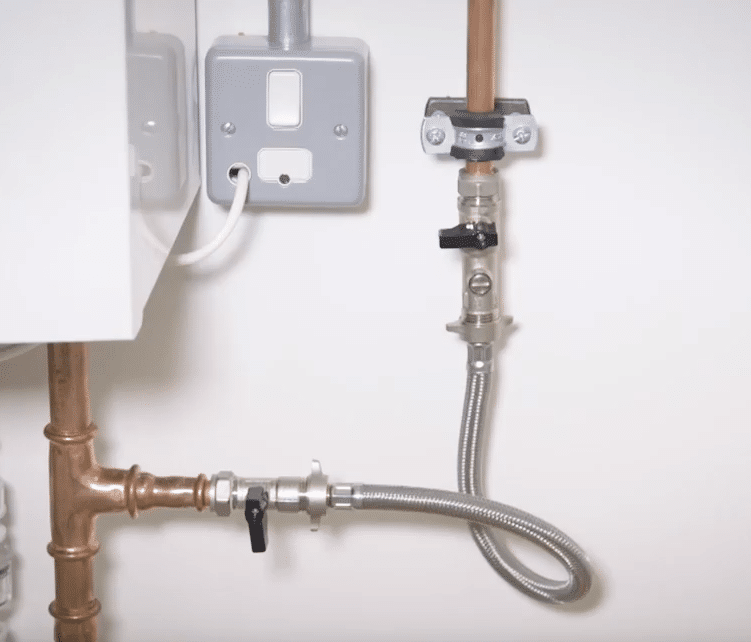
A common setup on Worcester boilers is an external filling loop.
This is usually a silver braided hose connecting the mains cold water supply to the heating system pipework.
Step 1
You can identify an external filling loop by locating two valves:
Note: Some set-ups only have 1 lever – this is normal.
Step 2 – Open the First Valve (Door)
Slowly open either one of the black levers — it does not matter which one you open first.
Think of this like “opening the first door”
At this stage, water is allowed to travel up to the second valve, but nothing will happen yet.
You may hear a faint sound of water, but the boiler pressure will not increase at this point.
Step 3 – Open the Second Valve (Door) VERY Slowly
Now, very slowly open the second black lever.
This is the second door.
Once this door is opened, water is allowed into the boiler and heating system.
Open this valve a tiny amount only — do not open it fully.
You should hear water running, and the pressure on the gauge will begin to rise.
Move the lever gently, as if you are just cracking a door open, not swinging it wide.
Blue Flame Tip
Opening this valve too quickly can cause the pressure to rise too fast.
Step 4 (Be very careful here)
Keep a close watch on the pressure gauge.
Once the pressure reaches just over 1 bar (do not exceed 1.5bar), close both taps.
Safety note (See gauge)
Do not overfill the pressure past 1.5 bar.
Overfilling can damage the boiler and heating system.
Worcester Boiler – External Filling Loop
A common setup on Worcester boilers is an external filling loop.
This is usually a silver braided hose connecting the mains cold water supply to the heating system pipework.
Step 1
You can identify an external filling loop by locating two valves.
Note: Some set-ups only have 1 lever – this is normal
Step 2 – Open the First Valve (Door)
Slowly open either one of the black levers — it does not matter which one you open first.
Think of this like “opening the first door”
At this stage, water is allowed to travel up to the second valve, but nothing will happen yet.
You may hear a faint sound of water, but the boiler pressure will not increase at this point.
Step 3 – Open the Second Valve (Door) VERY Slowly
Now, very slowly open the second black lever.
This is the second door.
Once this door is opened, water is allowed into the boiler and heating system.
Open this valve a tiny amount only — do not open it fully.
You should hear water running, and the pressure on the gauge will begin to rise.
Move the lever gently, as if you are just cracking a door open, not swinging it wide.
Blue Flame Tip
Opening this valve too quickly can cause the pressure to rise too fast.
Step 4 (Be very careful here)
Keep a close watch on the pressure gauge.
Once the pressure reaches just over 1 bar (do not exceed 1.5bar), close both taps.
Safety note (See gauge)
Do not overfill the pressure past 1.5 bar.
Overfilling can damage the boiler and heating system.
Blue Flame Safety Tip
⚠️ Do NOT touch the yellow lever or tap under your boiler.
-
Yellow taps are always GAS
-
Turning this will shut off the gas supply
-
This can cause:
-
The boiler to stop working
-
Ignition faults
-
Error codes that require an engineer to reset
-
👉 Boiler pressure is never topped up using a yellow tap.
If you’re unsure which tap you’re looking at — stop and check before touching anything.
Need Help?
If you’re unsure, or if your boiler keeps losing pressure, a quick professional check can help prevent future issues.
A quick inspection can prevent:
-
Boiler shutdowns
-
Ongoing pressure loss
-
Costly internal damage
Not sure it’s safe to continue?
We can check the system, identify the cause, and put it right properly.