











Why Your Boiler Keeps Losing Pressure — And What It Really Means
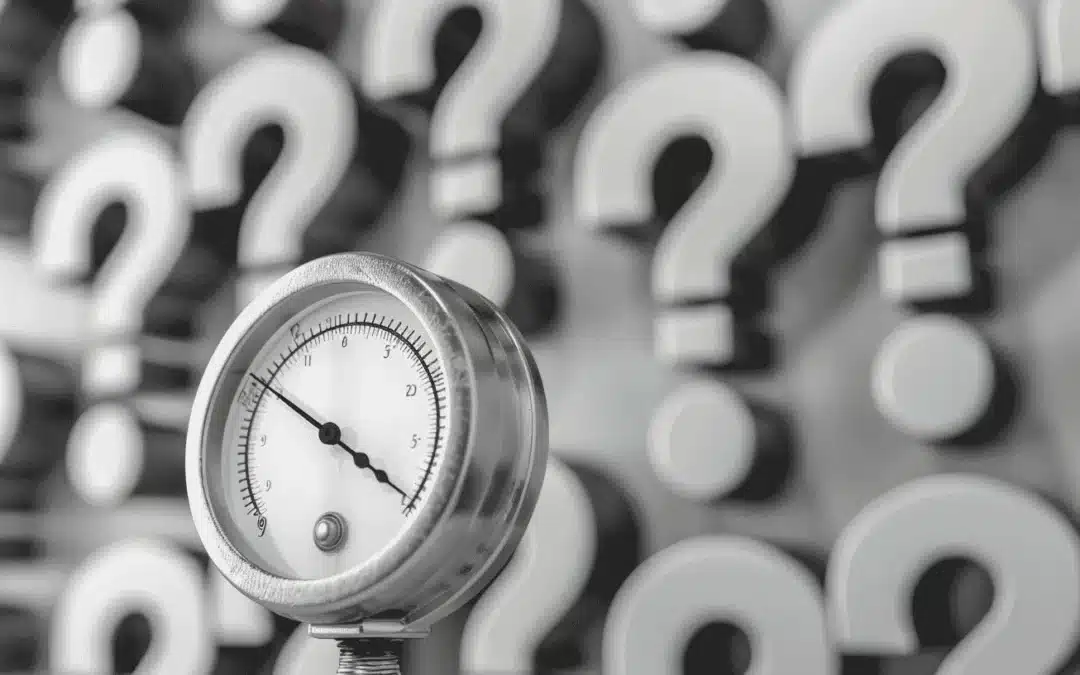
Your boiler should normally sit between 1.0 and 1.5 bar when cold. If the pressure keeps dropping, it means the heating system cannot hold pressure — usually due to a small leak or a failing component.
This guide explains the most common causes of pressure loss, what you can safely check at home, why issues often appear after a new boiler installation, and when to call Blue Flame.
If your boiler is regularly losing pressure, you may need a local engineer to investigate.
If your boiler pressure keeps dropping over days or weeks, see our guide on boiler pressure keeps dropping to understand the most common causes.
“This is one of the most common boiler issues we diagnose across South Wales homes each winter.”
1. What Boiler Pressure Loss Actually Means
A boiler moves water around your radiators. That water must stay at a controlled pressure. When the pressure drops, one of two things is happening:
- Water is escaping from the heating system (radiator valves, TRVs, pipe joints, EV/PRV faults, filling links)
- Air is entering the system (usually through a failing component)
Either way, the gauge falls below normal operating pressure and the boiler may eventually shut down for safety.
2. The Most Common Causes of Pressure Loss
Cause #1 — Radiator Valve Weeps & TRVs
This is the most common cause of pressure loss in homes across South Wales.
Customer signs:
- Tiny amounts of water around valves
- Green/white crust (dried inhibitor)
- Pressure falling slowly over days or weeks
Engineer Insight: TRVs and valve stems often begin to seep when fresh system pressure returns — especially after a new boiler installation that required draining and refilling.
Blue Flame Tip:Use a small piece of tissue to lightly dab around radiator valves. If the tissue picks up even a tiny amount of moisture, the valve may be weeping and slowly dropping the pressure.
Cause #2 — Expansion Vessel Losing Charge
The expansion vessel (EV) controls pressure as the water heats up. If it becomes flat or loses charge, the PRV may release water and the system will lose pressure again as it cools.
Engineer Insight: EVs commonly fail between 5–10 years. A flat diaphragm is a very common cause of repeated pressure loss and should be checked by a Gas Safe engineer as part of a Boiler Service or repair visit.
Cause #3 — PRV (Pressure Relief Valve) Drip
If the PRV has ever opened because of high pressure, its internal seal often doesn’t fully re-seat afterwards.
Symptoms include:
- Drip from the copper safety pipe outside
- Slow, continuous pressure loss
Engineer Insight: Once a PRV discharges water, limescale can mark the seal, preventing a perfect close. This usually needs a replacement, which we carry out as part of our boiler repair service.
Cause #4 — Filling Loop or Internal Filling Link Letting By
A filling loop can allow small amounts of mains cold water into the heating system even when the handles look fully closed.
This can cause:
- Pressure rising above normal
- Boiler releasing pressure via PRV
- Then the system dropping pressure again
Engineer Insight: Internal filling links (Worcester & Baxi) often fail after around 5 years. They look “off” but the internal valve does not fully seal. Our engineers check this during boiler servicing and repair visits.
Cause #5 — Hidden Leaks in Pipework
Many leaks are not visible — especially in older homes.
- Under concrete floors
- Behind plasterboard walls
- Under floors or carpets
- On radiator drops on first floors
Engineer Insight: Hidden leaks sometimes only occur when the system is hot and pipe joints expand. If your pressure drops consistently with no obvious leak, it’s worth arranging a professional inspection by a Blue Flame Gas Safe engineer.
3. Why Pressure Loss Often Appears After a New Boiler Installation
When a new boiler is fitted, the heating system is drained, refilled, and re-pressurised. This fresh pressure exposes older weak points in the system:
- Radiator valves
- TRVs
- Old washers
- Weak pipe joints
- Compression fittings under carpets or floors
Engineer Insight: These older joints may have held for years. As soon as new system pressure is applied, the weak spots show themselves. This is one of the reasons we take extra care during every boiler installation we carry out.
Why local installers handle this better
National installers use subcontractors who usually only return for boiler faults. System leaks fall outside their scope. Blue Flame uses in-house engineers, which means:
- Faster local aftercare if issues appear after a new boiler installation
- Accurate diagnosis of system faults as well as boiler faults
- No “blame game” between subcontractor and customer
Our approach is backed by the Blue Flame Warranty™, which is designed to give homeowners clear, honest protection and proper support.
4. What You Can Safely Check as a Homeowner
✔ Check the PRV discharge pipe outside
If water is dripping from the copper safety pipe, the PRV may be releasing pressure. This needs an engineer to investigate — you can request a visit via our boiler repair page.
✔ Check visible radiator valves & TRVs
Look for moisture, staining, or crusty deposits.
Blue Flame Tip:Use a small piece of tissue around valve bodies. If it absorbs moisture, even slightly, you’ve likely found the source of the pressure loss. If you’re worried, we can confirm it for you during a boiler service or repair appointment.
✔ Monitor pressure over 24 hours
- Slow pressure drop → usually a radiator/pipework issue
- Fast pressure drop → could indicate PRV/EV or internal component issue
❌ Do NOT perform isolation tests
These are engineer-only procedures and should not be attempted by homeowners. If you’re unsure, it’s always safer to book a Blue Flame engineer.
5. When You Should Call Blue Flame
- Your boiler shuts down due to low pressure
- You top up more than once per month
- The PRV pipe is dripping outside
- Radiator valves or TRVs are weeping
- Pressure loss began after a new boiler installation
- You see corrosion or green staining on joints
We fix both boiler-related and system-related causes of pressure loss across South Wales. Find out more on our Boiler Repair page.
🔧 Low Boiler Pressure Guides – Related Pressure Problems
Common Boiler Pressure Issues Explained
If your boiler pressure is dropping or sitting too low, when it happens often gives the clearest clue about what’s causing it.
Use the guides below to understand what low pressure usually means and when action is needed.
→ Boiler Pressure Too Low – Can I Still Use My Boiler?
Explains what low pressure actually means, whether it’s safe to keep using the boiler, and when low pressure becomes a genuine risk.
→ Boiler Pressure Keeps Dropping – Common Causes & Fixes
Explains why pressure loss keeps returning and which system components are usually responsible.
→. Boiler Pressure Drops Overnight – Risks & What To Do
Covers overnight pressure loss, hidden leaks, expansion vessel issues, and when to call an engineer.
🔎 Not Sure Why Your Boiler Pressure Is Low?
This guide explains the most common pressure-related faults and when it’s sensible to have a Gas Safe engineer investigate further.
Pressure Loss FAQs
1. What pressure should my boiler be when cold?
Between 1.0 and 1.5 bar. If you’re unsure, we can check this as part of an annual Boiler Service.
2. Why is my boiler losing pressure overnight?
Usually a very small radiator valve or pipe joint leak. Our Boiler Repair engineers can trace and fix this for you.
Why is my boiler losing pressure overnight →
3. Should I try isolating valves under the boiler?
No — this is an engineer-only procedure and should not be attempted by homeowners.
4. Does pipework in external walls cause pressure loss?
It’s uncommon. Most pressure loss comes from internal system leaks, which we can investigate during a repair visit.
5. Why do pressure problems appear after a new boiler installation?
Because draining/refilling exposes weak points in older radiator valves, washers, and pipe joints. Learn more about how we handle this on our Boiler Installation page.
6. Could this be an expansion vessel fault?
Yes — a flat or failed EV is a common cause of pressure loss and should be checked by a Gas Safe engineer.
7. How often should I need to top up the system?
No more than once every 3–6 months. If you’re topping up more often, book a Boiler Repair with Blue Flame.
8. Can the filling loop cause pressure problems?
Yes — internal filling links often let by even when turned off. This is something we test during servicing and repair work.
9. My PRV pipe is dripping. What does this mean?
The PRV has released water and usually needs replacing. Our repair engineers can diagnose and fix this safely.
10. Is this covered by the Blue Flame Warranty™?
System leaks usually fall outside boiler warranties, but we will always diagnose the true cause honestly. You can read more about how our cover works on the Blue Flame Warranty™ page
11. Can bleeding radiators cause pressure loss?
Yes — bleeding radiators releases trapped air and can slightly reduce system pressure. A small top-up afterwards is normal. If pressure continues to drop repeatedly, a leak or component fault may be present.