











Boiler Gurgling Noise – Causes, What It Really Means & When to Act
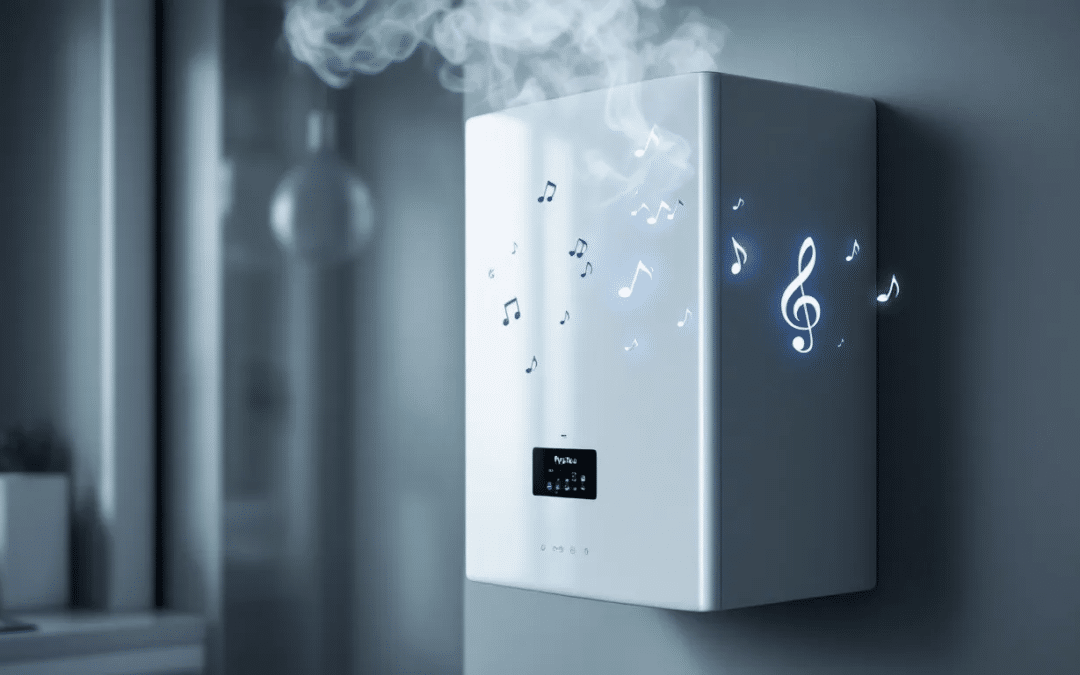
It can sound worrying, but in most cases, gurgling is a system issue — not a boiler failure.
The important thing is understanding why it’s happening and when it needs professional attention.
What Causes a Gurgling Boiler Noise?
Trapped Air in the Heating System (Most Common)
The most common cause of gurgling is air trapped inside the system.
When air is present:
-
Water can’t circulate smoothly
-
Flow becomes turbulent
-
Bubbling or trickling sounds are produced
Air commonly builds up:
-
After pressure loss
-
After bleeding radiators
-
After system draining or partial repairs
-
In upstairs radiators (air rises)
This is why gurgling is often heard at start-up or from upper floors first.
Low Boiler Pressure Allowing Air In
Low system pressure allows air to enter sealed heating systems.
When pressure drops:
-
Air is drawn into the circuit
-
Circulation becomes uneven
-
Gurgling noises develop
Pressure-related gurgling often comes with:
-
Cold patches on radiators
-
Poor heat distribution
-
Repeated need to bleed radiators
This links directly to broader boiler pressure problems, not an isolated noise issue.
Partial Airlocks Restricting Flow
Airlocks occur when air becomes trapped in sections of pipework or radiators, restricting water flow.
This can cause:
-
Gurgling in specific radiators
-
Some radiators heating, others staying cool
-
Noisy operation when the boiler fires
Airlocks are more common in:
-
Older systems
-
Properties with complex pipe routes
-
Systems without effective air venting
Sludge or Debris Affecting Circulation
Over time, corrosion debris (sludge) can build up inside a heating system.
When water is forced around restrictions, it can create:
-
Bubbling or gurgling noises
-
Slow radiator warm-up
-
Cold radiator bottoms
Sludge doesn’t usually start as gurgling — but it can worsen circulation noise over time if left untreated.
Condensate or Normal Operating Sounds (Less Common)
Some modern boilers can produce mild gurgling noises as:
-
Condensate drains away
-
Internal components cycle during operation
This is usually:
-
Light
-
Infrequent
-
Not linked to poor heating performance
If the noise becomes loud, constant, or worsening, it should be checked.
Is a Gurgling Boiler Dangerous?
In most cases, no — not immediately.
However, repeated gurgling should never be ignored.
Left unresolved, it can lead to:
-
Corrosion inside the system
-
Pump strain
-
Reduced boiler efficiency
-
Escalating repair costs
Gurgling is best seen as an early warning sign, not a fault to dismiss.
What You Can Safely Check Yourself
Homeowners can safely:
-
Check boiler pressure (cold system)
-
Bleed radiators once if required
-
Re-pressurise the system correctly
-
Monitor whether the noise returns
Avoid:
-
Repeated bleeding
-
Opening sealed components
-
Ignoring pressure loss
If gurgling returns quickly, the cause is not solved.
When Gurgling Means It’s Time for an Engineer
You should book a professional check if:
-
Gurgling returns after bleeding
-
Boiler pressure keeps dropping
-
Radiators stay cold or uneven
-
Noise worsens over time
-
Gurgling combines with banging or knocking
An engineer can:
-
Remove trapped air properly
-
Assess pressure stability
-
Check circulation and pump behaviour
-
Identify early system faults before damage occurs
Related Boiler Noise Guides
This guide focuses specifically on boiler gurgling noises and the system-level causes behind them. Other boiler noises can sound similar but point to very different issues.
For a full overview of all common boiler noises — including knocking, humming, gurgling, and combustion-related sounds — visit the main Boiler Noises guide to identify what you’re hearing and what it usually means.
If the grugling noise is loud, recurring, or coming directly from the boiler casing, it’s best to have the system professionally assessed. A proper diagnosis prevents unnecessary damage and ensures the real cause is resolved safely.
Read Our Guide: Boiler Noises – Causes, Meanings & What To Do
Need Further Assistance?