





How to Top Up Boiler Pressure Safely
Low boiler pressure can stop your heating and hot water — often without warning.
In many cases, boiler pressure can be safely topped up — it’s done correctly.
This guide helps you:
-
Check what pressure your boiler should be at
-
Understand whether it’s safe to top up
-
Know when to stop
-
Know when not to touch anything and call an engineer
If at any point you’re unsure — stop. Forcing parts or overfilling can cause damage.
What Boiler Pressure Should Be
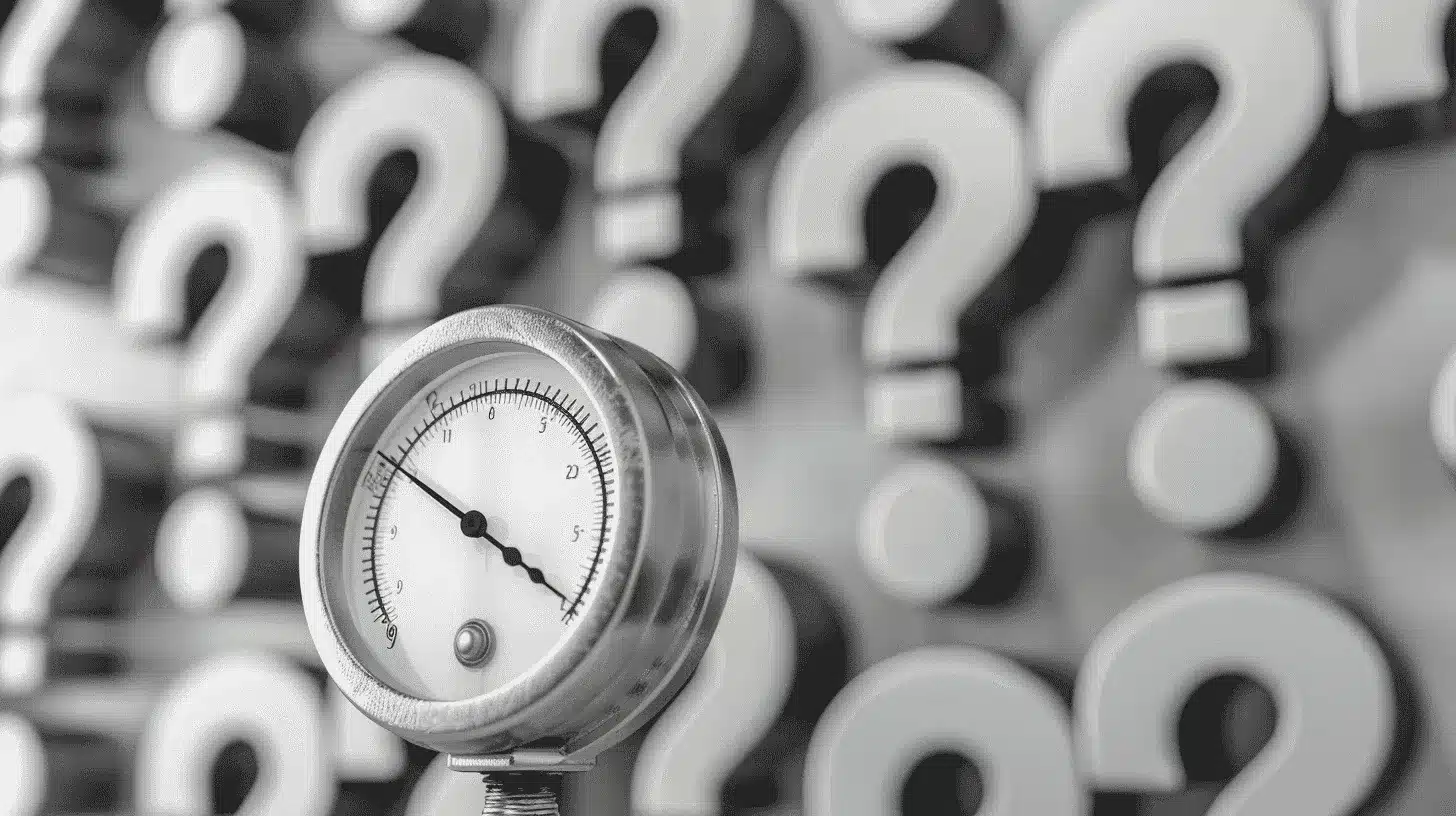
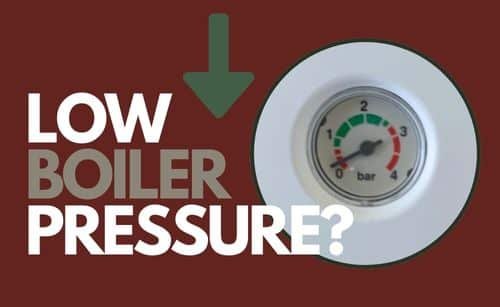
Normal Boiler Pressure (Cold)
-
1.0 – 1.5 bar when the boiler is off and cold
When Heating Is On
-
Pressure may rise slightly — this is normal
-
Anything consistently above 2.5 bar is not normal
If your pressure is:
-
Below 1 bar → the boiler may lock out
-
At 0 bar → do not keep topping up repeatedly (likely a fault)
Before You Start (Important)
Before topping up boiler pressure:
-
Turn the boiler off
-
Allow it to cool for 20–30 minutes
-
Locate the pressure gauge (front panel or underside)
⚠️ Never top up a hot boiler
Identify Your Filling System
Boilers use different filling systems.
You must identify which type you have before continuing.
You may have:
-
An external braided filling loop with two valves
-
An internal keyless filling loop (lever or tap underneath)
-
An internal keyed filling loop (requires a removable key)
If you’re not sure which system you have, do not guess.
Refer to the filling loop guide & stop here.


Blue Flame Safety Tip
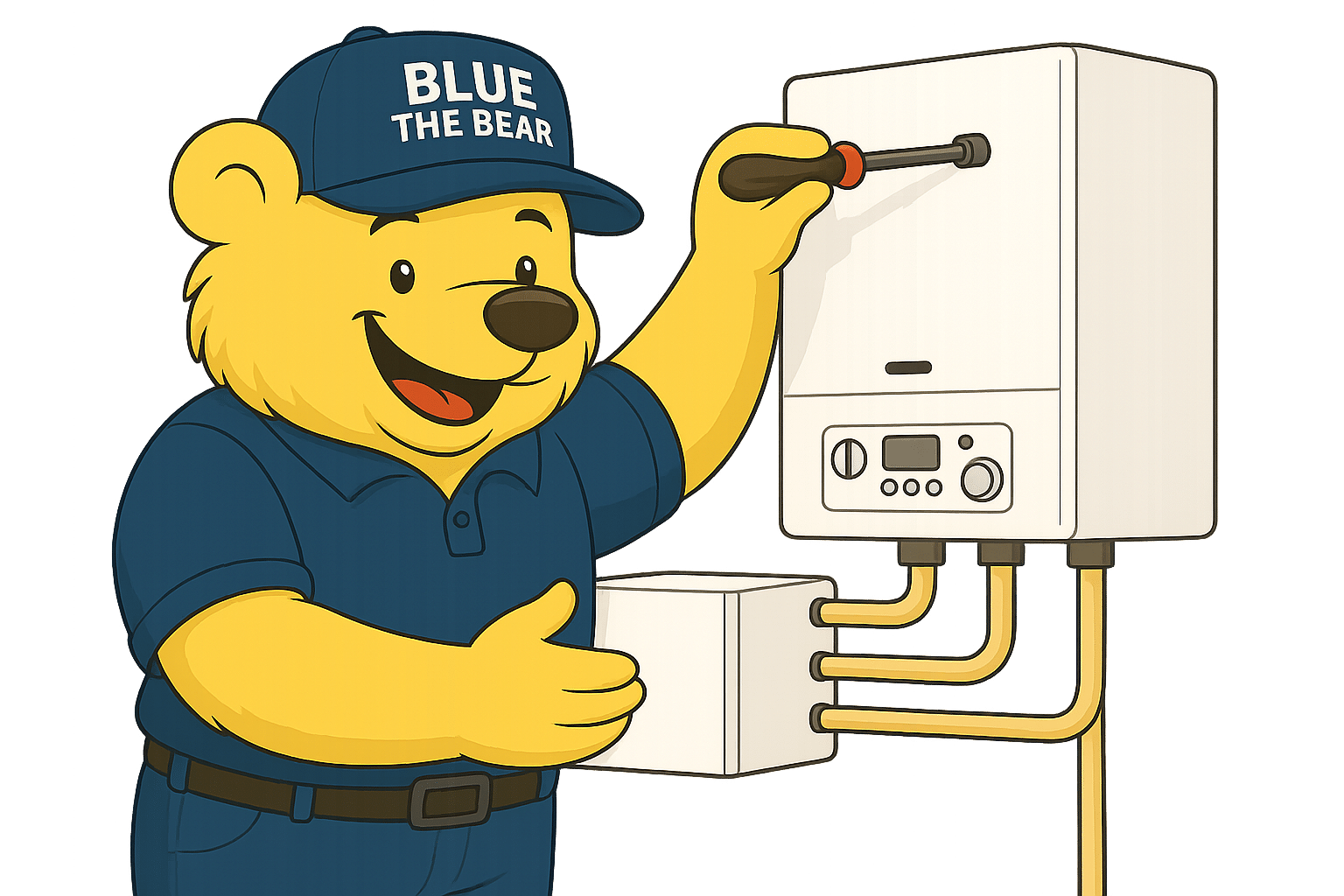
⚠️ Do NOT touch the yellow lever or tap under your boiler.
-
Yellow taps are always GAS
-
Turning this will shut off the gas supply
-
This can cause:
-
The boiler to stop working
-
Ignition faults
-
Error codes that require an engineer to reset
-
👉 Boiler pressure is never topped up using a yellow tap.
If you’re unsure which tap you’re looking at — stop and check before touching anything.
Pressure Top-Up Overview
This is a safe overview, not a brand-specific guide.
Exact steps depend on your boiler model.
Step 1
Open the filling control slowly
(You may hear water flowing)
Step 2
Watch the pressure gauge as it rises
Step 3
Stop when the gauge reaches:
-
Just over 1 bar (cold)
Step 4
Close the control fully
Hand-tight only — do not force it
🔵 Blue Flame Tip — Go Slow When Filling
When topping up boiler pressure using the filling loop or filling link:
-
You will hear water running first — this is normal
-
Slow down or pause at this point
-
The pressure gauge can rise very quickly
-
Always fill the system slowly and in a controlled manner
👉 Small movements on the tap can cause big jumps in pressure.
Taking it slowly helps prevent:
-
Overfilling
-
Triggering the pressure relief valve
- Creating a new fault
🔵 Extra – Blue Flame Tip — Never Force Valves or Levers
Filling valves, taps, and levers can sometimes feel stiff.
-
Do not force them
-
Forcing a valve can:
-
Damage the filling mechanism
-
Cause a sudden water leak
-
Create a fault that wasn’t there before
-
👉 If something doesn’t move easily by hand, stop and get it checked properly.
After Topping Up
-
Turn the boiler back on
-
Let the system run
-
Recheck the pressure once heating is on
Pressure should settle between 1.0 – 1.5 bar.
If the pressure drops again within days, this usually indicates a fault.
Important Safety Warning
⚠️ Do NOT overfill the boiler
-
Do not exceed 1.5 bar when cold
-
Overfilling can:
-
Trigger the pressure relief valve
-
Cause water discharge outside
-
Lead to repeated pressure loss
-
Repeated topping up is not a fix.
When NOT to Top Up Yourself
Stop and contact an engineer if:
-
Pressure keeps dropping regularly
-
You see water dripping from the boiler or pipework
-
Pressure rises above 2.5–3 bar
-
You can’t identify your filling system
-
The boiler loses pressure overnight
Common Causes of Pressure Loss
-
Small system leaks
-
Recently bled radiators
-
Expansion vessel faults
-
Pressure relief valve passing
These issues require repair, not topping up.
Need Help?
If you’re unsure or your boiler keeps losing pressure, it’s best to have it checked properly.
A quick inspection can prevent:
-
Boiler shutdowns
-
Ongoing pressure loss
-
Costly internal damage
Not sure it’s safe to continue?
We can check the system, identify the cause, and put it right properly.